NON-SURGICAL PROCEDURES
for orthopedic and musculoskeletal pain Omaha, Nebraska
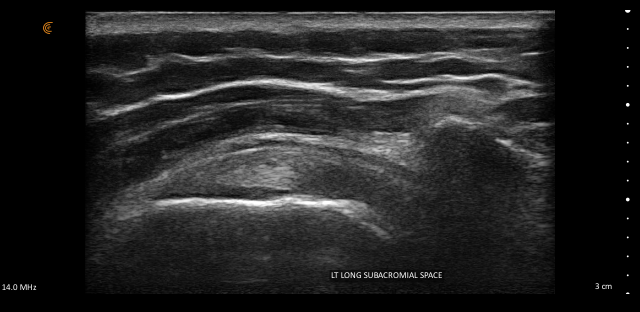
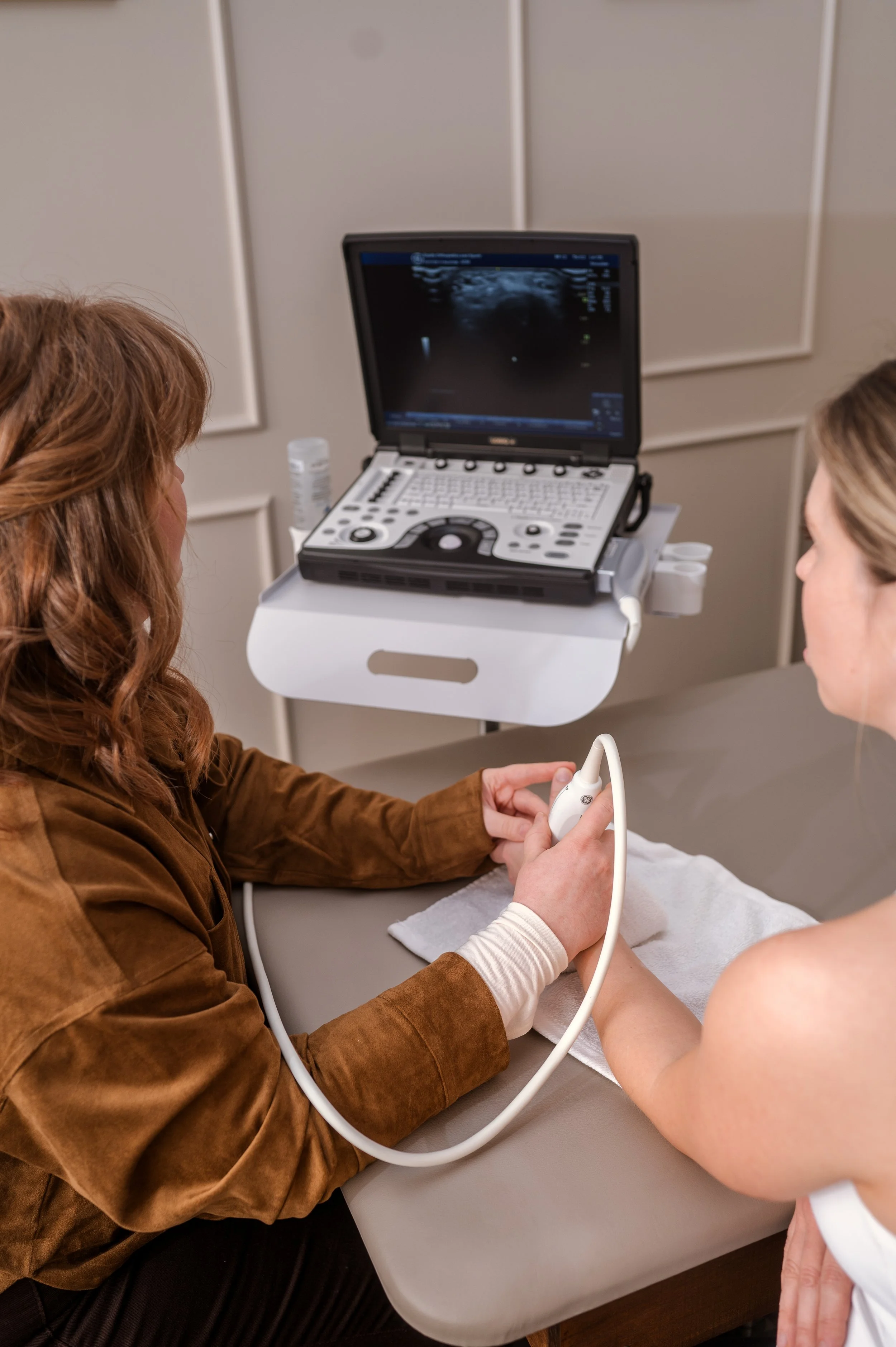
Evidence-based, non-surgical, and low risk procedures under ultrasound guidance.
Procedures with a regenerative focus for:
Joints
Tendons
Ligaments
Muscle
Nerve
Fascia
Cysts
Bursae
TYPES OF INJECTIONS &
PROCEDURES
Diagnostic Injections (Diag)
—Only anesthetic (aka numbing) medication is injected into a structure or joint to help determine if the injected area is the source of pain.
Hydrodissection (HD)
—Usually used for a nerve or tendon problem. High volume (5-60mL) of fluid is injected into a nerve or tendon sheath to help break small adhesions (scar tissue) that is causing these structures to have decreased glide with usual movements. Fluid injection is usually a combination of either anesthetic (numbing medicine), CSI, dextrose, or sterile saline (water).
Trigger Point Injection (TPI)
—A small amount of fluid is injected into a muscle that causes pain that radiates from the area when palpated (pushed on by examiner). This is often injected with either anesthetic (numbing), CSI, or dextrose. These are performed with or without ultrasound guidance.
Aspiration (Asp)
—Removal of fluid from a cyst, joint, or other fluid collection. This fluid may be removed for analysis to aid in diagnosis of cause of fluid collection or because the fluid collection is causing pain or dysfunction to surrounding tissues.
Sclerotherapy (Scl)
—Scl can be used to help with area in that need help forming closure or tightening. Most often used to help in the healing of potential space between soft tissues after an aspiration, such as a Morel Lavallee Lesion. Scl can also be used to help tighten ligaments around joints with increased laxity. Commonly used medications for Scl such as doxyxycline, betadine, dextrose and many others depending on the application of use.
Percutaneous Needle Tenotomy (PNT)
—A minimally invasive procedure used to treat chronic tendinopathy refractory to conservative management, serving as an alternative to open surgical tenotomy. Under direct ultrasound guidance a needle is used to soften the tough tendinopathy fibers and scarring. Often accompanied by injection of PRP and/or shockwave.
Barbotage
—A minimally invasive procedure used to treat calcific tendinopathy by fragmenting and aspirating calcium deposits from the affected tendon under real-time ultrasound guidance.
Hydrodilatation for Adhesive Capsulitis
—Under direct ultrasound guidance several nerve blocks are performed and a large amount of sterile saline and anesthetic solution is injected into the joint capsule to expand and break troublesome adhesions. Accompanied by a manual manipulation and specific post-procedural rehab.
Platelet Rich Plasma (PRP)
—In very basic terms, PRP contains concentrated healing and growth factors from the blood that help recruit stem cells and stimulate healing, decrease inflammatory processes and thus improve pain and function. Approximately 60-120mL of blood is drawn and concentrated using specialized equipment to obtain 4-8mL of PRP.
Autologous blood (ABI)
—This is similar to Leukocyte rich-PRP in its use and function; as it is the unconcentrated blood. Much less research done but less cost for at least a first time injection. This type of injection should only be used for soft tissue such as muscle or tendon.
Viscosupplementation (VS)
—Known commonly by many names, “gel shots, chicken shots, rooster shots, visco shot”, these injections are external supplements to a substance made by cartilage cells called hyaluronic acid (HA). The purpose of HA is to lubricate a joint, naturally decreasing inflammation. As we age our cartilage cells make less HA and as the joint degenerates we have fewer cartilage cells and this leads to less naturally occurring HA. VS injections are also “thick and sticky” and some people feel as though it offers a cushioning effect filling in the “crooks and crannies” of injured cartilage. The purpose of VS injections is to decrease pain and swelling related to arthritis.
Prolotherapy (Pro)
—Prolotherapy is a technique that also varies from provider to provider but the main principal is an injection that is used to recruit the bodies’ healing and growth factors in the blood to an area of injury or degeneration. It is not well understood on the exact mechanism of how it works and many different types of injectate have been used under the banner of “prolotherapy”. Prolotherapy is a technique with very little high quality research thus is considered experimental. That being said, prolotherapy, in varying techniques, has been used for >20 years as a treatment option in soft tissue and joint pain relief similar to PRP. The most commonly used injectate is dextrose (typically D25-D50).
Corticosteroid (CSI)
—used to decrease inflammatory markers and processes within soft tissue and joints for the purpose of decreasing pain. Often used as an initial first step for decreasing pain for acute or chronic injuries and joint degeneration (arthritis). Injections of corticosteroid can be performed every 12 weeks (3 months) as needed. Recent studies are showing that CSI causes further degeneration or injury to cartilage cells within a joint which advances the severity of arthritis.