
WHAT IS “SHOCKWAVE”?
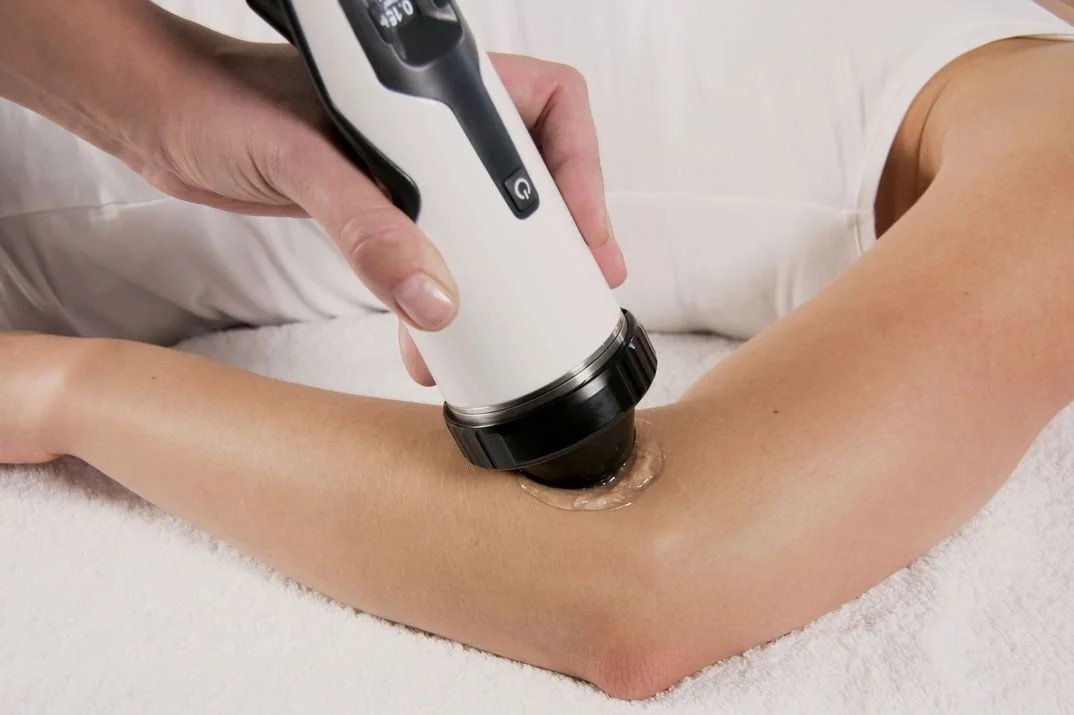
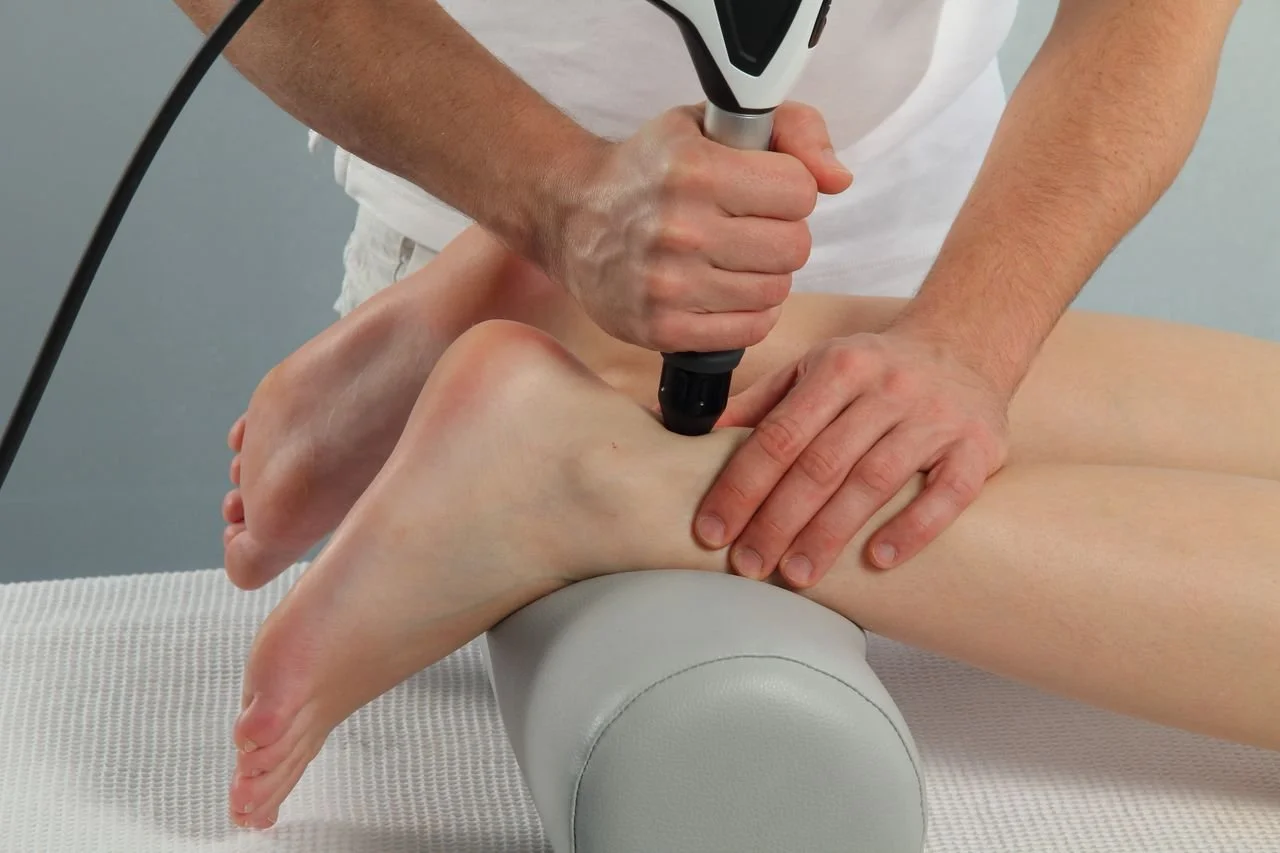
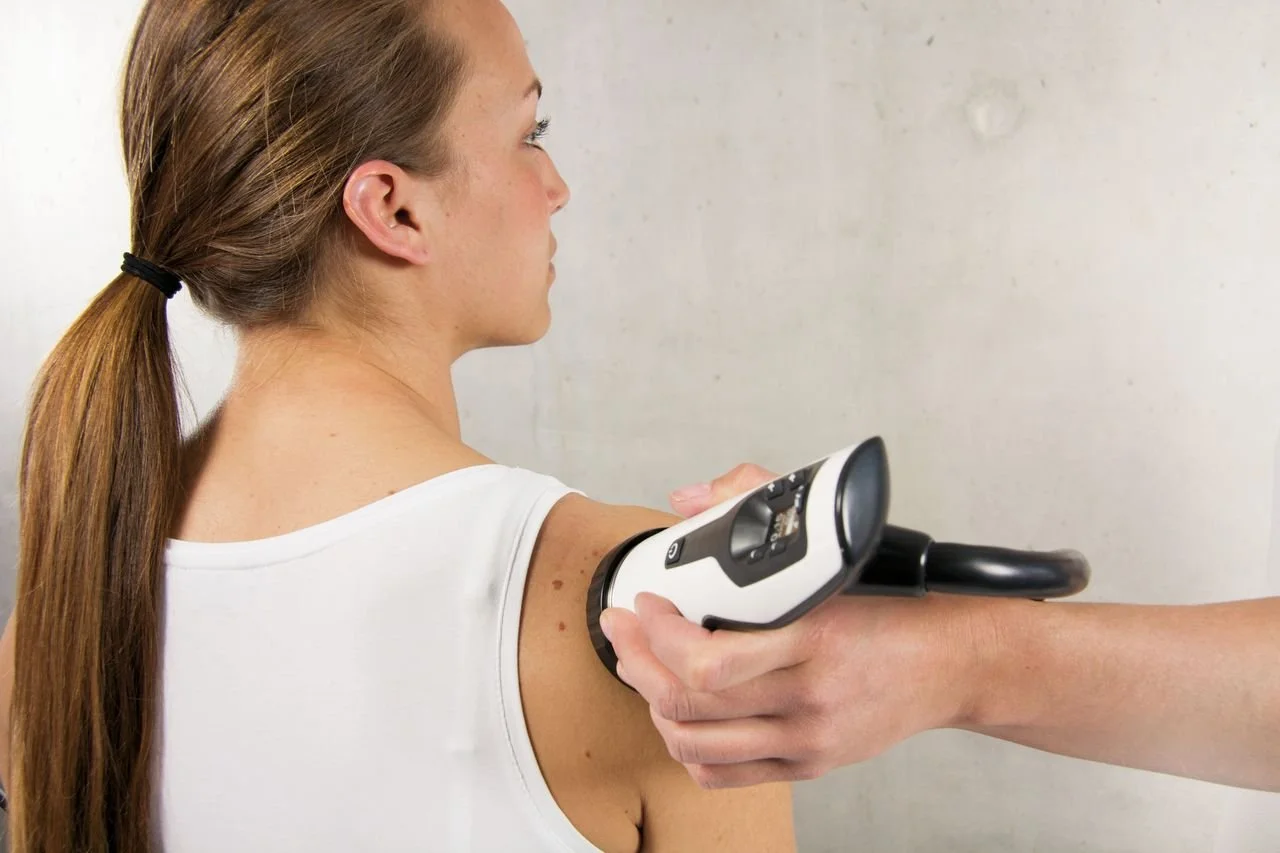
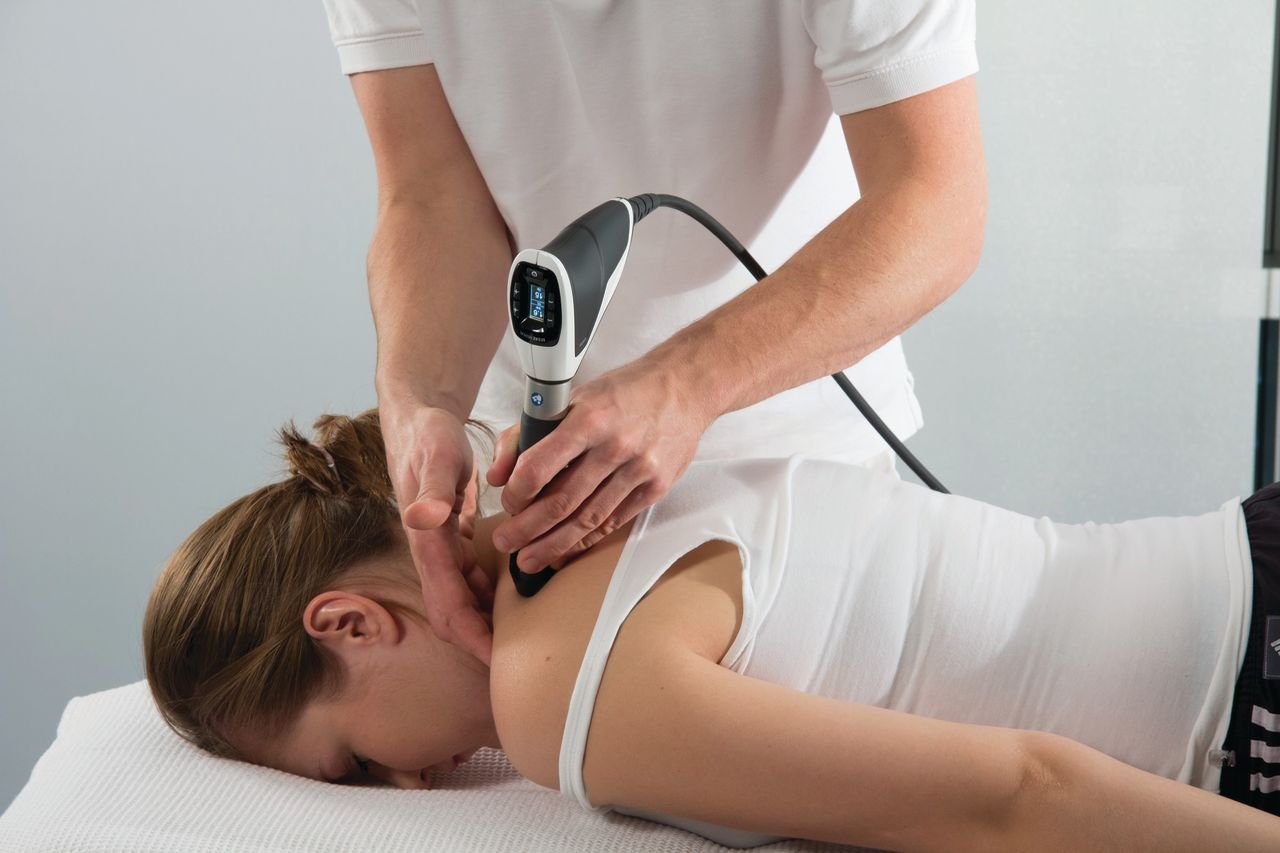
WHAT IS SHOCKWAVE THERAPY
DOING TO THE TISSUES?
BRIEF VERSION: Using soundwaves and acoustic pressure waves to trigger the body’s own regenerative (healing) processes to decrease pain, increase circulation, and stimulate cellular metabolic activity.
DETAILED VERSION: Acoustic waves increase cell permeability to return to normal functioning, stimulates circulation of blood and lymphatic vessels, decrease pain signals, reduces nerve fibers that cause chronic aching, release of nitric oxide which helps with metabolic activity and vasodilation, release of growth hormones, stimulating local stem cells, stimulates neurons…Research is ongoing and more is being discovered.
Extracorporeal ShockWave Therapy (ESWT)
Extracorporeal Pulse Activation Therapy (EPAT)
Focused Shockwave a.k.a. ESWT
Radial “Shockwave” a.k.a. EPAT
Extracorporeal: Treatment applied above the skin, non-invasive
Shock wave: High-energy sound waves
Pulse Activation: Pressure waves
*Technically, radial sound waves are not “true shockwaves” as defined by physics AND they do function differently in their cellular changes.
SO, what’s the big difference?
Focused/ESWT use higher intensity waves that can go deeper in the body and cause greater changes in the targeted tissue and are used for more pinpoint regions of pain.
Radial/EPAT use low to medium intensity waves that cover broader regions of pain and more superficial structures such as fascia.
WHAT MAKES SHOCKWAVE THERAPY DIFFERENT AT
EQUITY ORTHOPEDICS?
1. Combination ESWT and EPAT.
Many providers of shockwave therapy use one or the other.
2. Ensuring therapeutic “doses” of treatment.
Scientific studies that demonstrated effectiveness of Shockwave Therapy typically performed 1000-4000 shocks EACH session with a total number of sessions being 3-6. Shockwave treatments with less shocks per session are less effective overall OR require more sessions total to demonstrate improvement.
3. Physician directed and operated.
There is no required certification to perform shockwave therapy. Shockwave effectiveness and safety greatly depends on adequate “dosage” and the provider’s knowledge of anatomy and the underlying problem being treated.
4. In some cases, diagnostic ultrasound may be used to “map out” the areas that will need majority of treatment. An example is when intra-tendon calcifications are being treated.
IS SHOCKWAVE TREATMENT PAINFUL?
Shock waves pass through “normal” tissue without any noticeable effect. When shockwaves penetrate through “unhealthy” tissue with adhesions, scar, calcifications, etc than there is discomfort as the shockwaves penetrate this tissue. As soon as treatment stops, there is no more discomfort.
ESWT (and some EPAT) treatment is guided by feedback of discomfort by the patient. The discomfort level is mild-moderate that is needed for effective treatment (determined by a certain level of energy delivered). Treatment time only lasts 2-10 minutes. For patients who have increased sensitivity to pain, lower discomfort levels can be maintained though more treatment sessions may be needed to accommodate.
There is an analgesic (significant decrease in usual pain) for about 24 hours then some soreness or return of usual pain may occur for a couple days. This rebound pain effect will decrease as treatment progresses.